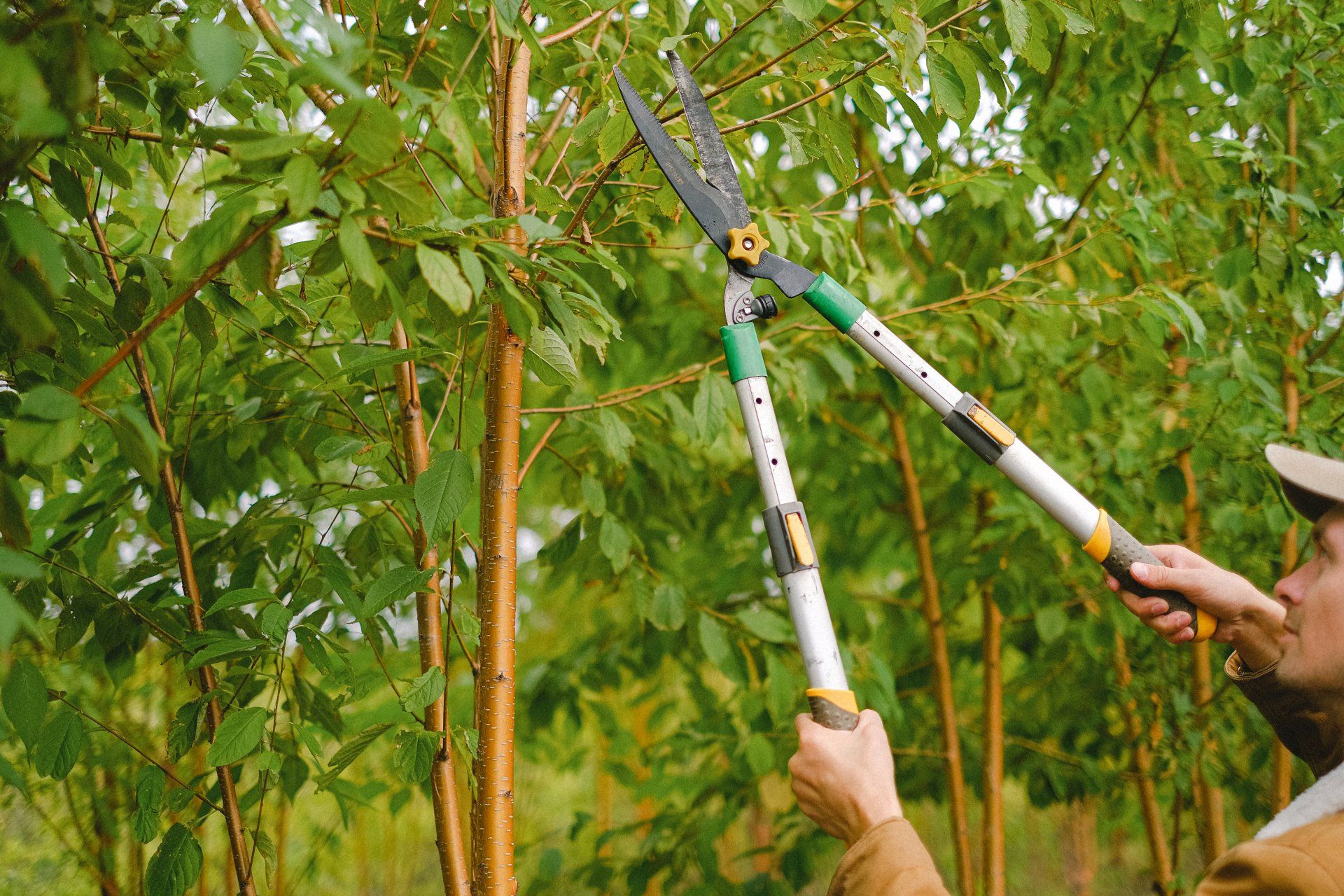
When to Trim Trees in Fall
Fall is an ideal time to prune many trees, but the timing must be right to avoid damaging them. Trimming during autumn dormancy reduces stress on the tree and allows it to heal over winter before spring growth returns.
Why Fall Trimming Works
Trimming trees in fall takes advantage of the tree's natural dormancy cycle. When trees enter dormancy, they stop growing actively and redirect energy to their roots and existing limbs. This means the tree can compartmentalize wounds more effectively without wasting energy on new growth that won't survive the cold months.
Fall trimming also improves visibility. After leaves drop, you can see the true structure of the tree—which branches cross, which are damaged, and where growth is unbalanced. This clarity helps ensure proper cuts and balanced removal that supports the tree's overall shape and health.
Another benefit is disease prevention. Many tree diseases and insect pests are less active in fall and dormant by winter. Cutting during autumn means open wounds have less exposure to these threats. The tree will also have time to seal the cut edges over winter, forming new protective bark by spring. Fall pruning also stimulates vigorous spring growth, creating a fuller, healthier canopy without wasting resources on winter survival.
Best Timing: Early vs. Late Fall
The best timing falls in mid-to-late fall, after leaves have dropped but before the deepest cold arrives. The exact window depends on your climate, but generally aim for six to eight weeks before your first hard frost.
Early fall—while leaves are still changing but trees remain partially active—is not ideal for major pruning. The tree is still growing, and cutting at this time can trigger new tender growth that will be damaged by frost. Early fall trimming also exposes fresh wounds when disease pressure is still moderate in many regions.
Late fall, after the tree has gone fully dormant and leaves are gone, is optimal. At this point, the tree has already sealed off most of its resources, and pruning won't disrupt its seasonal cycle. The tree will move into winter dormancy naturally and heal cuts over the cold months when disease and pest activity is minimal. Timing matters for the tree's response—too early encourages weak new growth, while too late leaves wounds exposed to freezing weather and potential frost crack damage.
Trees That Benefit Most from Fall Pruning
Not all trees thrive with fall trimming. Deciduous trees that lose their leaves are excellent candidates for autumn pruning because dormancy truly stops their growth cycle. Oak, maple, ash, and birch all respond well to fall trimming.
Evergreens and Spring-Flowering Trees Need Different Timing
Evergreens, including most conifers and broadleaf evergreens, should generally not be pruned in fall. These trees don't enter true dormancy the way deciduous trees do. Cutting an evergreen in fall exposes fresh growth to winter winds and cold, drying out foliage and potentially killing branch tips. Most evergreens are best trimmed in late winter or early spring.
Spring-flowering trees like dogwood and redbud should be pruned right after they bloom, not in fall. Trimming them in autumn removes next year's flower buds. Similarly, trees that bleed sap heavily in spring—like maple and birch—can be trimmed in fall without the messy sap flow that happens if you prune them in late winter or spring.
How Much Should You Remove
Remove no more than 25 percent of the tree's total canopy in a single season. Aggressive pruning stresses the tree and reduces its ability to produce energy through photosynthesis. Heavy pruning in fall can weaken the tree going into winter and delay spring recovery.
Focus on removing branches in this order:
- Dead, diseased, or dying branches
- Branches that cross or rub against each other
- Branches growing inward toward the trunk
- Crowded areas that block light and air circulation
- Branches touching your roof, gutters, or power lines
Save cosmetic trimming—branches just for shape—for lighter work that stays within the 25 percent removal rule. This approach ensures you strengthen the tree first and improve its form second.
Signs Your Tree Needs Fall Trimming
Watch for branches that are dead or dying. Dead wood doesn't recover and only gets worse over winter. If a branch shows no green or flexibility, remove it entirely. Diseased branches with cankers, oozing sap, or unusual discoloration should also be removed, cutting several inches below the visible damage.
Crossing branches rub against each other and create wounds. Removing one solves the problem before winter winds cause real damage. Heavy branches that hang low or horizontal are also candidates for removal—these are prone to breaking under snow weight and ice load. Branches that touch your roof, gutters, or power lines are high-priority removals, as winter brings heavy snow and ice that adds significant weight, making contact even more dangerous.
Common Fall Trimming Mistakes
The biggest mistake is cutting too close to the trunk. Always leave the branch collar—the slight swelling where a branch connects to the trunk. Cutting flush removes this natural barrier, preventing the tree from compartmentalizing the wound properly.
Never top trees by cutting main branches to stubs. This removes too much canopy at once and creates multiple large wounds that invite disease. The tree also responds by sending out many weak, fast-growing shoots that won't be structurally sound.
Avoid using wound dressing or sealer. Trees seal themselves more effectively than any product you apply. Wound dressing can actually trap moisture and delay the tree's natural healing process. Don't trim too aggressively either—the stress of major fall pruning right before winter can prevent the tree from hardening off properly, making it vulnerable to frost crack and ice damage.
When to Call a Professional
Large branches, damaged limbs in risky locations, or uncertainty about which branches to remove all call for professional expertise. Tree trimming often requires climbing, specialized equipment, and understanding of tree biology that goes beyond DIY efforts. Improper cuts can permanently damage a tree's structure or spread disease to healthy wood.
If your trees are large, damaged, or located near structures, Vonner Family Tree Service can assess your trees in fall and recommend the best trimming approach for your specific needs. Professional arborists know which species thrive with fall pruning and how much can be safely removed, ensuring your trees stay healthy and well-shaped year after year.
Frequently asked questions
What's the ideal timing for fall tree trimming?
Trim trees in mid-to-late fall after leaves have dropped, roughly six to eight weeks before your first hard frost. At this point, the tree is fully dormant and can compartmentalize wounds effectively without frost damage or disrupted dormancy.
Can I trim evergreen trees in fall?
No. Evergreens don't enter true dormancy and are best trimmed in late winter or early spring. Fall trimming exposes fresh evergreen growth to winter winds and cold, potentially killing branch tips and drying foliage.
How much of a tree can I safely remove in one season?
Remove no more than 25 percent of the tree's total canopy in a single season. Aggressive pruning stresses the tree and reduces its ability to generate energy, which weakens it going into winter.
Should I use wound dressing after cutting tree branches?
No. Trees seal wounds better on their own without wound dressing. Sealer products can actually trap moisture and delay natural healing, so it's best to let the tree's compartmentalization process work without interference.
Why shouldn't I trim trees too early in fall?
Early fall trimming can trigger new tender growth while the tree is still partially active. This new growth won't harden off properly before frost arrives, leaving it vulnerable to cold damage.
Most trees should be trimmed in mid-to-late fall after leaves drop, when the tree is dormant and less stressed by cutting. Avoid trimming too early or leaving it until winter, as improper timing can expose trees to frost damage or delay recovery.