Tree Removal vs Tree Trimming: Which Does Your Tree Need?
The Key Difference Between Trimming and Removal
Trimming removes branches to improve health and appearance, while removal eliminates a tree entirely when it's unsafe or unsalvageable. The choice depends on whether the tree can recover and whether keeping it standing is wise.
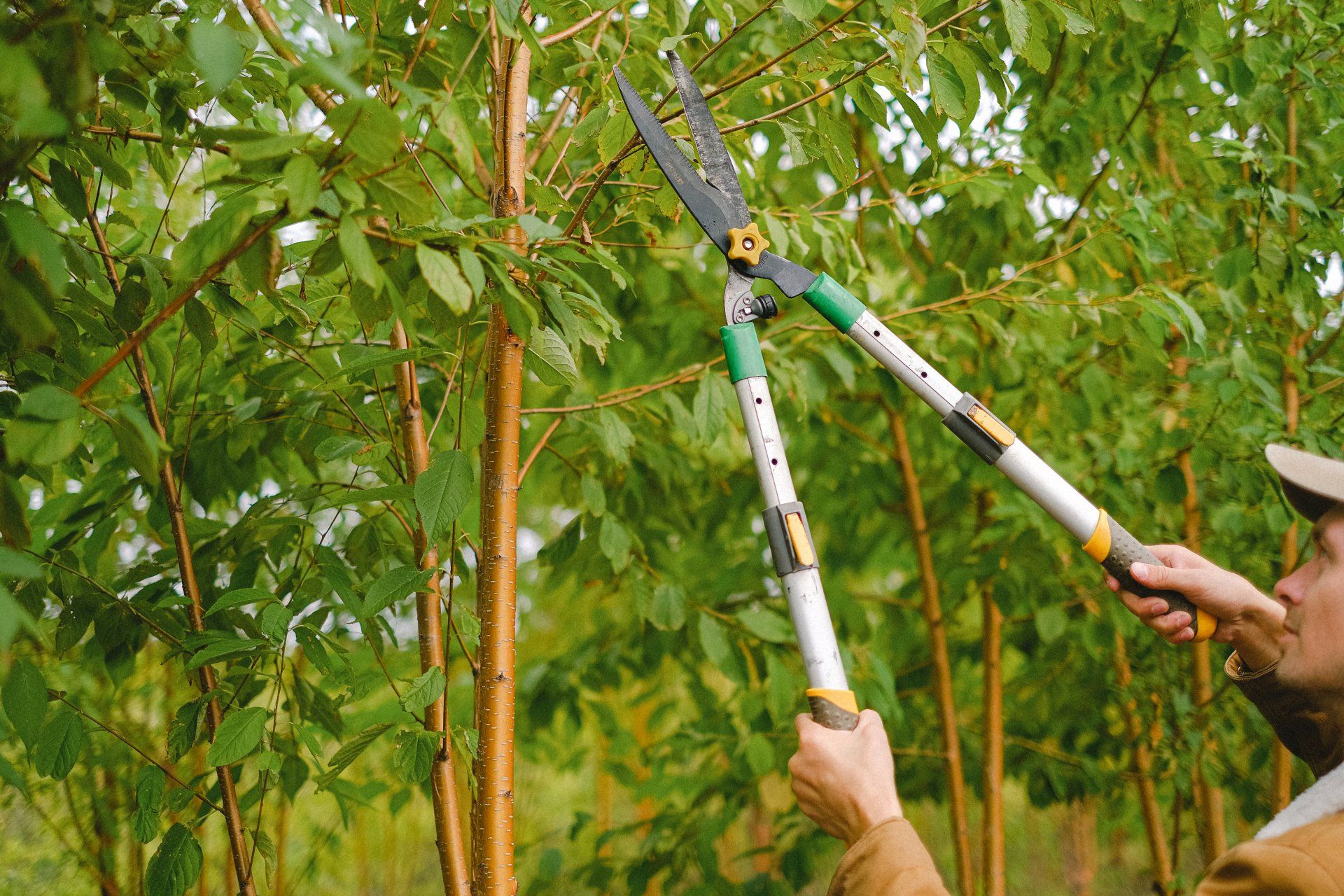
Trimming (or pruning) selectively removes branches from a living tree. You trim to eliminate deadwood, remove diseased portions, reduce weight on weak limbs, improve sunlight penetration, and shape the tree for better looks or growth. A properly trimmed tree is stronger, healthier, and more attractive. It can live for decades longer with regular maintenance. Trimming costs less than removal and preserves the shade and beauty the tree provides.
Removal takes the entire tree out—trunk, branches, and stump. This is the right choice when a tree cannot be saved, is dangerously positioned, or poses a risk to people or property. Removal is more invasive than trimming, but sometimes it's the only responsible option. A removed tree opens up yard space and eliminates ongoing safety concerns.
The core question is simple: Is the tree healthy enough to save? If yes, trimming is your path forward. If no, removal is necessary. The sections below will help you answer that question and make the right decision.
Signs Your Tree Needs Trimming
Most healthy trees benefit from regular trimming. You should trim a tree if it shows these signs:
- Dead or dying branches (visible by lack of leaves or bark damage)
- Branches rubbing against each other or growing structures nearby
- Dense canopy blocking light from reaching the ground or nearby plants
- Overgrown branches interfering with power lines, gutters, or clear sightlines
- Branches growing inward or crossing in unnatural patterns
- Jagged or broken limbs from storm damage that the tree otherwise survived
A tree that can be trimmed has a solid trunk, living wood in most of its structure, and no signs of extensive disease or decay. Trimming these trees actually extends their lifespan and improves their safety. Regular trimming every three to five years keeps most trees in good condition. Young trees benefit from early trimming to establish strong branch structure. Mature trees are trimmed to remove hazards and maintain shape. Even old trees can be revitalized with thoughtful pruning when the tree's core is still sound.
When Complete Removal Is Necessary
Some trees cannot be saved and must be removed. Take out a tree if it meets any of these conditions:
The tree is dead. A dead tree provides no benefits and poses constant hazard from falling limbs or sudden collapse. There is no recovery path for a dead tree.
The tree is dying and cannot recover. Some diseases, insect infestations, or structural damage are beyond treatment. If the majority of the tree is failing, trimming won't restore it.
The tree is hazardous. A tree leaning dangerously, with major trunk splits, hollow sections, or roots lifting from the ground is a safety liability. If trimming won't solve the structural problem, removal is the answer.
The tree is in the wrong location. A tree growing into a foundation, pushing up pavement, or too close to power lines may need removal to prevent costly damage to structures and utilities.
The tree causes problems trimming cannot solve. If branches constantly regrow into power lines despite repeated trimming, or if the root system is damaging underground pipes, removal may be the most practical solution.
Health Problems: When to Trim and When to Remove
A diseased tree might be trimmed or removed depending on the disease and how far it has spread. The timing of discovery matters greatly.
Early disease: Trim and treat
If you catch disease early—fungal growth on a few branches, the first signs of an insect infestation, or minor canker formation—trimming can remove the affected parts before the problem spreads. Once you remove diseased wood, proper care and sometimes targeted treatment can help the tree recover. Early intervention often saves the tree.
Advanced disease: Often requires removal
If disease has spread throughout the tree, affecting multiple limbs and the main structure, trimming won't save it. Certain diseases move quickly and by the time symptoms appear, the damage is extensive. Removing the tree is sometimes the only way to prevent the disease from spreading to other trees nearby. A tree that is more dead wood than living wood cannot be trimmed back to health.
Safety and Location Issues
A tree's position and structural integrity sometimes make removal the only safe option. A tree that leans at an odd angle, has a major crack or split in the trunk, or is missing large sections of bark is structurally compromised. While trimming might temporarily reduce its danger, the core problem remains. These trees often need removal rather than ongoing management.
Trees growing too close to a home, overtop power lines, or beside structures create ongoing conflict. Trimming can reduce the immediate risk, but if the tree's natural growth pattern brings it back into danger, removal prevents future problems and liability. Storm damage sometimes breaks a tree so severely that removing it is safer and more practical than the extensive trimming required to restore it.
The key is assessing both immediate safety and long-term viability. A tree can be hazardous and salvageable, which calls for trimming. But if the hazard persists despite trimming, or if the structural damage is too severe, removal is the better choice.
Making the Final Decision
Here's how to determine what your tree needs:
- Assess overall health. Does it have living branches with leaves? Is the trunk solid and free of large cracks? Good signs for trimming.
- Identify the problem. Is it a few dead branches, disease, storm damage, or poor location? Each calls for a different response.
- Consider safety. Are there power lines nearby? Is the tree leaning toward structures? Is it structurally sound enough to be safe even after trimming?
- Think long term. If you trim, will the tree regain health and look good in a few years, or will the same problems keep recurring?
- Evaluate location. If the tree is in the wrong place no matter how it's trimmed, removal prevents future problems.
When you're uncertain about what your tree needs, a professional assessment is valuable. A trained eye can often determine whether a tree can be rescued with trimming or whether removal is the best path forward.
Getting Help With Your Decision
The difference between trimming and removal isn't always obvious. A tree might look dead but have hidden living wood. Another might seem fine but be structurally unsafe. Vonner Family Tree Service can evaluate your tree and recommend the right solution—whether that's careful trimming to restore health or removal to protect your property and safety. Contact them to discuss your tree and get clear guidance on the best next step.
Frequently asked questions
How do I know if my tree is dead or just dormant?
Scratch the bark with your fingernail or a knife. If you see green wood underneath, the branch is alive. If it's brown or gray throughout, it's dead. Dead trees show no green under the bark on multiple branches, while dormant trees will have green when you scratch them. A fully dead tree will show this across the entire trunk.
Can a tree with disease be trimmed back to health?
Only if the disease is caught early and is limited to a few branches. Trimming out the diseased wood can save the tree if the infection hasn't spread to the main structure. Advanced disease that has moved into the trunk usually means the tree cannot recover and removal is necessary. The key is catching it before it's too widespread.
What if a tree is too close to power lines?
Trimming can help temporarily, but if the tree's natural growth brings it back toward the lines, removal is the safer long-term solution. Trees growing into power lines are a safety hazard. A professional can determine if careful ongoing trimming will manage the problem or if removal is necessary.
Is trimming enough for a leaning tree?
Trimming reduces weight and wind resistance on a leaning tree, but it doesn't fix the underlying structural problem. If the tree is leaning due to root damage, soil erosion, or trunk weakness, trimming is a temporary measure. If the lean is severe or worsening, removal is likely the only safe option.
How often should a healthy tree be trimmed?
Most healthy trees benefit from trimming every three to five years. Young trees may need more frequent trimming to establish good structure, while mature trees need trimming mainly to remove deadwood and manage growth. The exact frequency depends on the tree species and your goals for its appearance.
Trimming keeps trees healthy and improves aesthetics, while removal is necessary when a tree is dead, diseased beyond recovery, or a safety hazard. The right choice depends on the tree's health, location, and risk level.