Tree Maintenance Tips to Keep Trees Healthy
Healthy trees require regular inspection, proper watering, appropriate pruning, and prompt disease management. By implementing consistent maintenance practices, you can prevent costly damage, extend tree lifespan, and keep your property safer and more beautiful.
Regular Inspection and Early Detection
The foundation of tree health is catching problems early. You should inspect your trees at least twice per year—once in spring and once in fall—looking for signs of disease, pest damage, or structural weakness. During these inspections, examine the bark for cracks, holes, or unusual discoloration. Check for dead branches, which appear brittle and break easily when bent. Look at the canopy for thinning foliage or bare sections, which can indicate stress or disease. Early detection of these problems often means they can be treated before becoming serious. Many tree issues start small and gradually worsen, so identifying them at the earliest stage makes treatment simpler and less expensive. Document what you find, note any changes from previous inspections, and take photos to track progression over time. Pay special attention to the tree's overall shape and balance, as trees that lean significantly may face stability issues.
What to Look For During Inspections
Focus on these specific warning signs: fungal growth on the trunk or branches, leaking sap, insect trails or webbing, leaf discoloration or unusual spots, broken limbs, and areas where bark is missing. Notice whether the tree produces leaves normally in spring or if leafing is delayed compared to surrounding trees. Trees should fill in their canopy densely; patchy foliage indicates underlying problems.
Proper Watering Practices
Watering is critical, especially for young trees and during drought periods. The key is deep, infrequent watering rather than frequent shallow watering. When you water, you want moisture to reach 12-18 inches deep where most tree roots are located. Shallow watering encourages roots to stay near the surface, making the tree more vulnerable to drought stress and wind damage. Water slowly around the base of the tree, allowing the soil to absorb moisture rather than running off. For newly planted trees, water weekly during the first year to establish a strong root system. Established trees need less frequent watering but still require assistance during extended dry periods. Most trees benefit from about one inch of water per week during the growing season, though this varies by soil type, climate, and species. Avoid overhead watering, which wastes water and can promote fungal diseases on leaves and bark. In fall, reduce watering to help trees harden off before winter dormancy.
Testing Soil Moisture
Push a screwdriver or soil probe 6-8 inches into the ground near the tree. If it penetrates easily and feels slightly moist, your watering is adequate. If it's hard to push or the soil is dry, the tree needs water. If the soil is soggy or muddy, reduce watering frequency to prevent root rot.
Mulching for Tree Health
Mulch provides multiple benefits for tree health: it regulates soil temperature, conserves moisture, suppresses competing weeds, and gradually improves soil structure as it decomposes. Apply 2-4 inches of organic mulch such as wood chips, shredded bark, or leaf litter around the base of the tree, extending out to the tree's drip line (the outer reach of the branches). Leave space around the trunk—the mulch should not touch the bark directly, as this promotes rot and pest problems. Keep mulch at least 6 inches away from the trunk. When applying new mulch annually, remove any old mulch that has become compacted. Over time, the organic matter in mulch breaks down and enriches the soil with nutrients and beneficial microorganisms. This improves the tree's ability to absorb water and nutrients while reducing the need for frequent watering. Avoid volcano-mulching (piling mulch high against the trunk), which is a common mistake that causes serious damage to the bark and encourages pest problems.
Pruning for Structure and Health
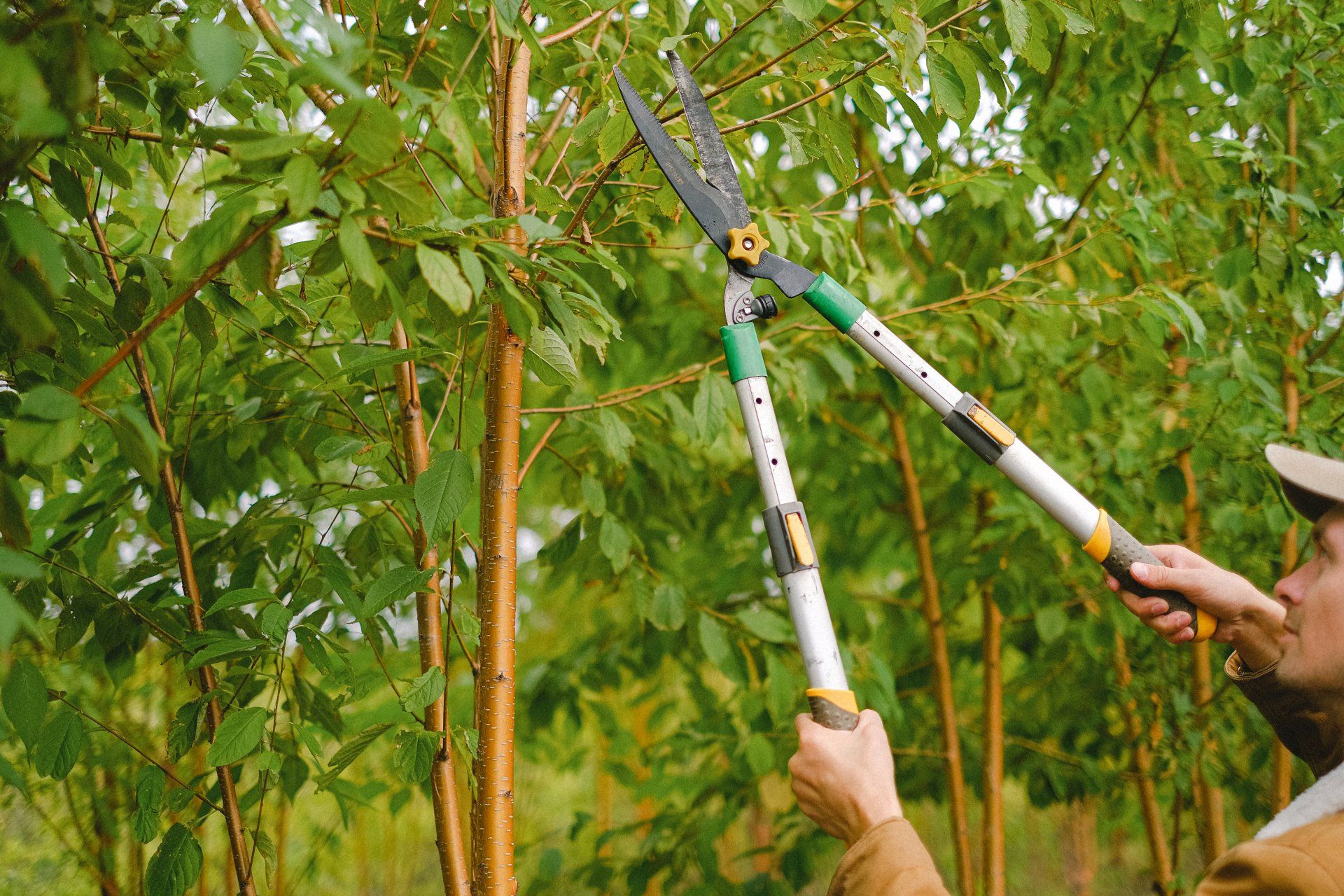
Proper pruning improves tree structure, removes dead or diseased wood, and promotes healthy growth patterns. The best time to prune most trees is late winter or early spring before new growth begins, though dead branches can be removed anytime. Remove dead, diseased, or damaged branches first, cutting them back to the branch collar (the raised area where the branch connects to the trunk). Never leave stubs or cut flush against the trunk—the correct cut angle allows the tree to compartmentalize the wound and heal naturally. For living branches, thin the canopy by removing crossing branches or branches growing inward toward the trunk. Avoid removing more than 25% of the canopy in one year, as this stresses the tree. Be cautious with topping (cutting the main trunk) or heavy pruning, which can seriously harm trees. Remove branches that rub against each other or create hazards near structures or power lines. Proper pruning actually strengthens the tree by improving air circulation in the canopy, reducing disease risk, and directing growth energy toward the strongest branches.
Managing Diseases and Pests
Tree diseases range from fungal infections to bacterial pathogens. Many diseases start with visible signs: powdery white coating on leaves, unusual leaf spots, cankers (sunken areas on branches), wilting despite adequate water, or oozing from the trunk. Prevention is far more effective than treatment. Maintain tree vigor through proper watering, good soil care, and appropriate pruning—stressed trees are far more susceptible to disease. Avoid wounding trees through careless pruning or damage. Keep pruning tools clean between cuts, wiping blades with a rag dampened with rubbing alcohol, since diseases spread through contaminated equipment. If you discover diseased branches, prune them off and dispose of them away from healthy trees. Never compost diseased plant material.
Pest Detection and Control
Tree pests include bark beetles, aphids, scale insects, and many others. Healthy, vigorous trees often tolerate some pest pressure without serious harm, so cultural practices are the first defense. Monitor trees for holes in bark, sawdust near the trunk, unusual leaf discoloration, sticky residue, or visible insects. Many pests can be managed without pesticides by removing infested branches, using sticky bands to catch crawling insects, or spraying insecticidal soap for soft-bodied insects. Chemical pesticides should be a last resort, used only when pests cause significant damage.
Seasonal Tree Care
Different seasons present different care needs. In spring, inspect trees after winter weather and remove any winter-damaged branches. Summer requires consistent watering, especially for younger trees and during hot, dry periods. Watch for heat stress signs like brown leaf edges or early leaf drop. Fall is an excellent time for major pruning before spring growth begins. In winter, avoid pruning deciduous trees while they're dormant except for removing dead wood. Protect young or sensitive trees from heavy snow and ice damage by gently removing accumulation before branches break. Don't use salt-based de-icers near trees, as salt damages roots and soil structure.
When to Call a Professional
While many maintenance tasks can be handled by property owners, some situations require professional expertise. If you discover serious diseases like cankers that girdle branches or fungal growth covering large areas, contact a professional promptly. Major pruning decisions, especially on large trees, benefit from professional assessment. Storm-damaged trees, trees with significant lean, or trees with large cavities in the trunk need professional evaluation to determine safety. Vonner Family Tree Service can assess your trees, identify problems you might miss, and perform complex maintenance safely. Professionals have the equipment and training to prune large trees without damage, remove hazardous branches, and treat serious conditions effectively.
Frequently asked questions
How often should I water my trees?
Most trees need about one inch of water per week during the growing season, applied slowly and deeply to reach 12-18 inches underground. Newly planted trees need weekly watering their first year, while established trees may need supplemental watering only during dry periods. Test soil moisture by pushing a screwdriver into the ground; if it penetrates easily and feels slightly moist, watering is adequate.
When is the best time to prune trees?
Late winter or early spring, before new growth begins, is ideal for most trees. This timing allows trees to heal quickly as growth accelerates. Dead branches can be removed anytime. Avoid pruning in late summer or fall when trees are preparing for dormancy, as this can stimulate tender new growth that won't survive winter.
What does proper mulching involve?
Apply 2-4 inches of organic mulch like wood chips or shredded bark around the tree, extending to the drip line. Keep mulch at least 6 inches away from the trunk to prevent rot and pest problems. Replace mulch annually to maintain benefits, and avoid volcano-mulching (piling mulch against the trunk), which damages bark.
How can I tell if my tree is diseased?
Watch for visible signs including fungal growth, unusual leaf spots, cankers (sunken areas on branches), wilting despite adequate water, leaking sap, or bark discoloration. Early detection allows treatment before disease becomes serious. If you're unsure, photograph the symptoms and consult a professional for accurate identification.
Should I use wound dressing after pruning?
No, trees heal better without wound dressing or tree paint. When you make proper pruning cuts at the branch collar, the tree compartmentalizes the wound naturally. Wound dressing can actually trap moisture and promote decay, so it's best to let the tree heal on its own.
Healthy trees require regular inspection, proper watering, appropriate pruning, and prompt disease management. Starting these practices now prevents costly damage and extends tree life.