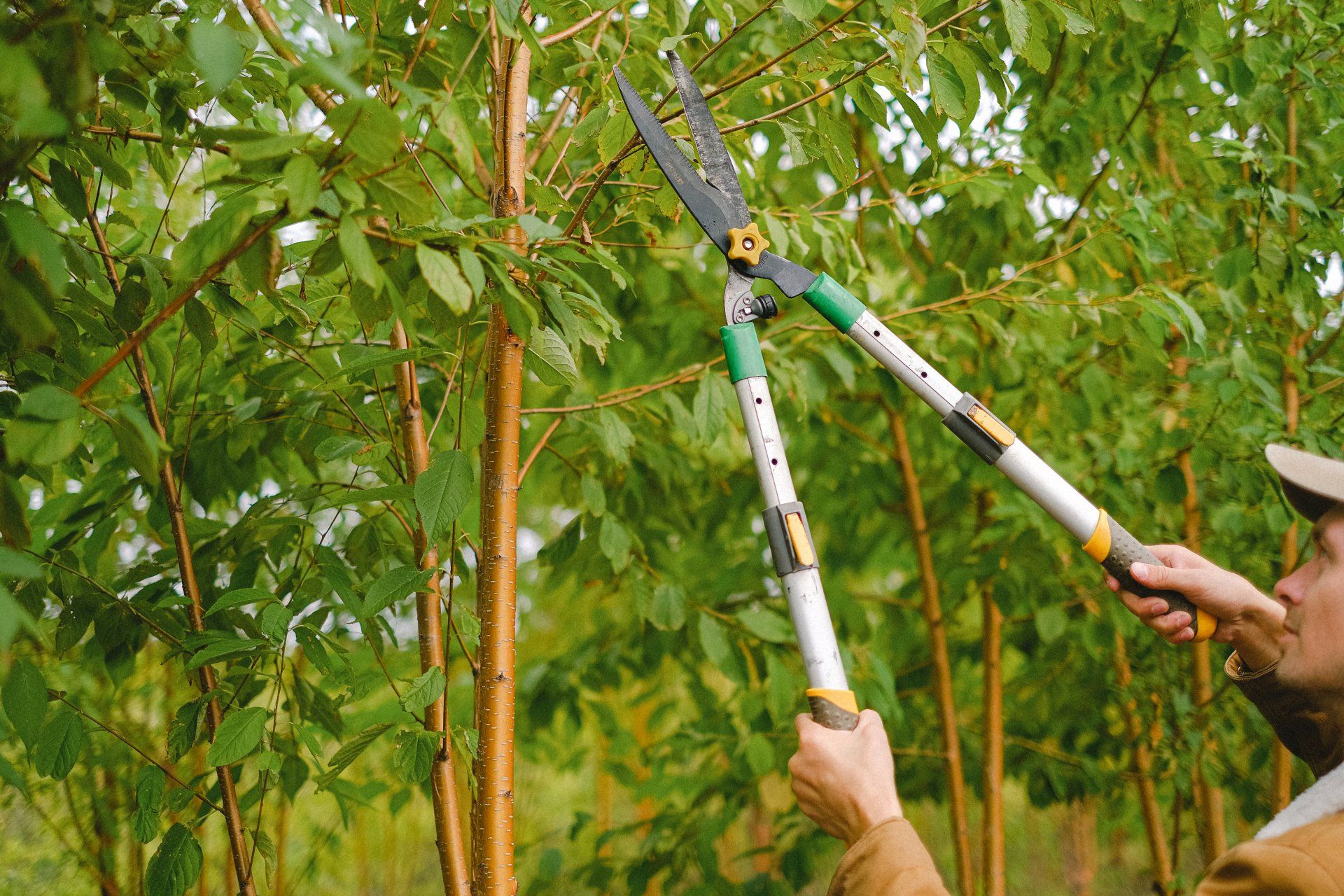
How to Protect Trees from Fall Storms
Protecting trees from fall storms requires pruning weak branches, removing deadwood, and reducing wind resistance through proper tree maintenance. Most damage occurs when trees with structural problems or dead limbs encounter high winds, but strategic preparation before storm season significantly reduces this risk.
Why Fall Storms Damage Trees
Fall storms combine rain-saturated soil, weakened branches from summer growth, and powerful winds—a dangerous combination for unprepared trees. When soil absorbs heavy rain, tree roots lose their grip, making the entire tree more susceptible to toppling. Branches that grew quickly during summer lack the strength to resist sudden wind gusts, especially if they're overloaded with foliage. Dead or diseased branches break easily under pressure, and when they fall, they damage the main trunk, other limbs, and anything beneath the canopy. Trees with poor structure—crossing branches, multiple leaders, or unbalanced crowns—are especially vulnerable. Understanding these risks helps you identify which trees need attention before autumn arrives. The combination of weight and wind force multiplies when branches are wet and heavy with rain, so prevention through pruning is far more effective than dealing with damage after it occurs.
Assess Your Trees for Weak Branches
Walk around your property and examine each tree carefully for signs of structural weakness. Look for branches that grow at sharp angles to the trunk, as these are weaker than branches growing at wider angles of 45 degrees or greater. Branches that cross or rub against each other will eventually fail, and the friction weakens both limbs over time. Check for areas where two branches grow from nearly the same point on the trunk—these competing leaders create stress and instability in the crown. Look for branches that are much thicker or heavier on one side of the tree, creating an unbalanced crown that catches wind unevenly and puts stress on the opposite side. Also examine the bark where branches connect to the trunk; cracks, splits, or peeling bark indicate weak attachment points that will fail under pressure.
Signs of Dangerous Branches
Several specific problems demand immediate attention before storm season. Dead branches are obvious—they have no leaves, no buds, and gray, brittle bark that snaps easily. These will snap in high winds and pose a serious safety hazard. Branches with bark damage, oozing sap, or discolored wood underneath the bark indicate disease or pest damage that has weakened the wood structure. Branches growing downward or horizontally at weak angles will snap before strong vertical branches do. Finally, branches that show cracks running along the grain are already partially separated and may fail even before a storm arrives. Any of these signs warrants removal before autumn winds arrive.
Prune Problem Areas Before Winter Arrives
Once you've identified weak branches, remove them while the tree is still actively growing in fall. Pruning before winter gives trees time to compartmentalize the wounds before they go dormant and stop healing. Start by removing dead wood entirely—cut it flush with the branch collar, which is the slightly thickened area where the branch meets the trunk or parent limb. This removes the weight and eliminates places where storms can break the branch off partially, tearing bark down the trunk and creating large wounds. Next, remove diseased or damaged branches by cutting them back to healthy wood, making sure your cut is just outside the branch collar. The branch collar contains the tree's natural defense chemicals that prevent decay from advancing into the main trunk, so preserving it is essential to the tree's recovery.
The Pruning Process
Make cuts at the proper angle to promote healing. Cut just outside the branch collar without cutting into it or leaving a stub that will rot. The branch collar's presence is critical for compartmentalization. Remove crossing branches one at a time, keeping the branch that grows at the better angle or is more structural to the tree's form. Thin branches growing inward toward the center of the crown, as these don't contribute to the tree's shape and reduce air circulation that helps prevent disease. Never remove more than 25 percent of a tree's canopy in one year, as excessive pruning stresses the tree and reduces its ability to withstand storms and recover from damage.
Reduce Wind Resistance Through Proper Thinning
Dense foliage in a heavy crown catches wind like a sail, creating tremendous force on the trunk and main branches below. Selective thinning reduces this wind resistance without removing the entire canopy. Thin the outer crown by removing some smaller branches throughout the canopy, rather than creating a severe, stubby appearance that looks unnatural. This allows wind to pass through the tree rather than pushing against it as one solid mass. Raising the crown by removing lower branches improves air circulation and makes the tree less likely to topple, as the weight is redistributed higher up and away from the root zone. However, avoid topping (cutting the main trunk short), as this creates multiple weak shoots that are more prone to breaking than the original branch structure and causes lasting damage to the tree's form.
Remove All Deadwood Completely
Deadwood is the single greatest liability in a storm. Dead branches offer no flexibility—they snap rather than bend in the wind. A single large dead branch can cause extensive damage if it falls from height onto a roof, car, or fence below. Inspect your trees carefully for branch tips that show no green growth, for entire limbs with missing bark, and for branches where the wood beneath the bark turns dark gray or black. These are all signs of dead or dying tissue that no longer carries nutrients. Remove all visible deadwood, cutting it completely back to the trunk or to a healthy branch below. Don't leave stubs, as these become entry points for insects and disease and prevent the tree from healing properly. If deadwood is high up and you're uncomfortable with heights, this is an appropriate time to hire a professional who has the equipment and safety training to work safely at elevation.
Monitor Weather and Maintain Throughout Fall
As storm season approaches, watch weather forecasts for warnings of high winds and heavy rain. Before a major storm hits, check your trees one final time for any new damage or hazardous branches that have appeared since your last inspection. Clear gutters and downspouts so water drains away from the tree's root zone—this allows the soil to firm up slightly, improving root anchorage even after heavy rains. If you've had unusually heavy rains, the soil around your trees will be saturated, making them even more vulnerable to wind because roots cannot hold their grip in waterlogged soil. Avoid planting new trees immediately before storm season, as young trees with developing roots are especially prone to toppling in their first season. Document the condition of mature trees with photos or notes, as this helps you track changes year to year and prioritize future maintenance needs.
When to Call a Professional
Some situations require professional tree care and expertise. If you identify dead branches above 15 feet high, if any branch is wider than a few inches in diameter, or if the tree is near your home or power lines, hire a professional arborist. Professionals have the right equipment, training, and experience to work safely and remove large branches without damaging the remaining tree structure. They can also diagnose disease and pest problems that reduce a tree's structural integrity and recommend treatment. Professional pruning is an investment in your property's safety and the tree's long-term health, and Vonner Family Tree Service can assess your trees and prepare them for storm season through expert pruning and maintenance.
Frequently asked questions
How much of a tree should I prune before fall storms?
Never remove more than 25 percent of the canopy in one year, as excessive pruning stresses the tree. Focus on removing dead wood, diseased branches, crossing limbs, and branches with weak attachment points to the trunk.
Is it safe to trim trees myself before a storm?
Pruning low branches you can safely reach from the ground is manageable, but branches above 15 feet high, thick branches, or work near power lines require professional equipment and safety training to do properly.
What is the best time to prepare trees for fall storms?
Prune trees in early to mid-fall while they're still actively growing, giving them time to compartmentalize wounds before winter dormancy. Late-season pruning right before storms doesn't give trees enough time to heal properly.
How can I tell if a branch will break in a storm?
Dead branches, branches with sharp attachment angles, branches showing cracks in the wood, and branches with peeling bark or disease signs are all likely to fail in high winds. Overloaded or unbalanced branches are also at risk.
Protecting trees from fall storms requires pruning weak branches, removing deadwood, and reducing wind resistance through proper tree maintenance. Most damage occurs when trees with structural problems or dead limbs encounter high winds, but strategic preparation before storm season significantly reduces this risk.