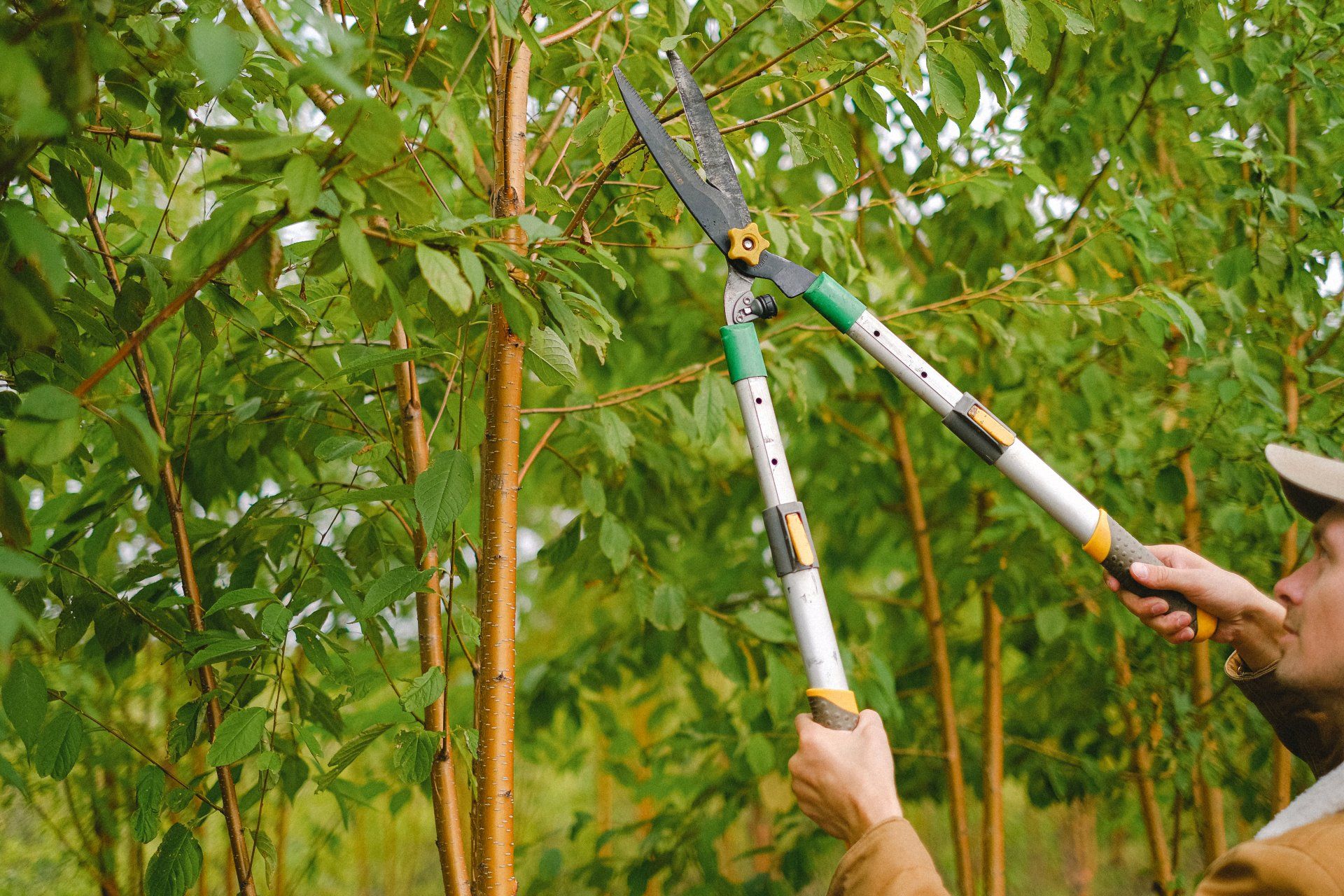
How to Prepare Your Trees for Winter
Winter storms bring heavy snow, ice, and wind that can damage or topple unprepared trees. Pruning dead branches, removing nearby hazards, and checking tree health before winter arrives protect your trees and property from damage.
Why Winter Tree Preparation Matters
Winter weather puts stress on trees in ways that summer growth does not. Snow and ice accumulate on branches, adding weight they were not designed to bear. Frozen ground prevents trees from absorbing water, even as branches lose moisture to the dry winter air. Wind gusts in winter storms find easier purchase on trees that are already stressed or have weak branch attachments. A tree that looked healthy in October can snap or uproot after a single heavy snowfall if its weight is unbalanced or its root system is weakened. The damage happens quickly—sometimes within hours of a storm arriving. Trees that have been pruned and inspected before winter are far more likely to survive intact. The work you do now prevents emergency tree removal later, protects structures and power lines nearby, and keeps your property safer for your family and neighbors.
Inspect Your Trees for Damage and Disease
Before winter arrives, walk around your property and look at each tree carefully. Check the trunk for wounds, cracks, or cankers—areas where the bark has died or split. Look at the major branches and see whether they form a wide angle with the trunk or a narrow, V-shaped angle. Branches that grow in a narrow V are weaker and more likely to split under weight. Examine the canopy for dead branches standing bare among living growth. Dead wood is brittle and will snap easily when ice or heavy snow lands on it. Look for signs of disease: unusual discoloration on the bark, sawdust or oozing sap, or areas where bark has peeled away. Pay special attention to the lower trunk and the base of the tree, where root rot and soil problems are easiest to spot.
What to Look For in Branch Structure
Strong branch attachment matters more in winter than at any other time. Stand back and look at how the main branches leave the trunk:
- Branches that grow outward and upward at a 45-degree angle or wider are structurally sound
- Branches that grow straight up or nearly parallel to the trunk form a weak V-shape
- Weak branches are more likely to break under the load of ice or snow
- Identify these weak branches now so you know which ones to remove
Prune Dead and Diseased Branches
Remove all dead branches from your trees before winter. Dead wood is easy to spot—it has no leaves, no buds, and a dry, gray appearance. Bend or tap a suspicious branch: if it snaps immediately, it is dead. Dead branches do more than look bad; they are hazardous. When snow or ice lands on them, they break and fall, potentially hitting structures, vehicles, or people below. Dead branches also harbor diseases and pests that can spread to the rest of the tree. Cut them all the way back to the branch collar—the slightly swollen base where the branch meets the trunk. Do not leave a stub. Stubs do not heal properly and invite disease into the tree. If a branch is diseased, disinfect your saw with a 10-percent bleach solution before moving to the next cut to avoid spreading the disease. Remove branches that are rubbing against each other or crossing, because they will wound each other as they move in the wind.
Clear Branches Away from Structures and Lines
Look at branches that hang over your roof, gutters, windows, or power lines. Snow and ice will accumulate on these branches and add weight they cannot support. Remove branches that are closer than 6 feet to power lines—electrical companies often do this work for free—and any branch that hangs directly over your house, driveway, or garage. Remove branches that touch your roof; they will scrape shingles and allow water to seep in, and if they break, they can cause serious damage. Branches hanging over the roof can also provide a bridge for rodents and squirrels to enter your attic. Even if a branch is not touching a structure now, estimate its span when loaded with ice and bending downward. Will it reach your house or a neighboring property? If so, remove it now. Clear gutters of leaves and debris before cold weather arrives so that ice dams do not form and trap water on your roof.
Thin the Canopy to Reduce Wind Resistance
A dense canopy catches more wind, and winter wind is strong. If your tree has a very thick crown with many branches competing for light, thin it so that wind can pass through more easily. This does not mean topping the tree or removing large sections—that causes more damage than it prevents. Instead, remove branches from the interior of the canopy, work that lets light and air reach the center. This thinning also improves tree health by reducing competition and allowing the tree to focus energy on its strongest branches. Remove crossed and rubbing branches, branches that grow inward toward the center of the crown, and branches that are clearly weaker than their neighbors. A properly thinned canopy will still be full and attractive, but lighter and more able to move with the wind.
Water Your Trees Before the Ground Freezes
Trees need water in winter, even though they are not actively growing. Water moves into the tree through the roots, which continue to draw water and nutrients as long as the ground is not frozen solid. Trees that go into winter dehydrated are more stressed and more likely to split or break under load. In the weeks before the first hard freeze, water your trees deeply—apply enough water to soak the soil to a depth of 8 to 12 inches. Water slowly so the water soaks in rather than running off. Do this at least once in late fall, and again just before the first hard frost if the weather has been dry. Evergreen trees and young trees especially need this water. Avoid fertilizing in fall, because nitrogen promotes new growth that will be killed by frost and wastes the tree's energy.
Stake Young and Weak Trees
Young trees and trees with weak trunks can be damaged by winter wind, even if the tree itself is healthy. If a young tree is bending excessively in the wind or if you know the tree is in poor condition, staking it for the winter will help protect it. Drive a stake into the ground outside the root ball and attach the trunk to the stake with a soft tie or tree strap that allows some movement—the tree needs to sway a little to build trunk strength. Do not pull the tree too tight; a rigid connection is worse than no tie at all because it prevents the tree from building strength and can damage the bark. Check the tie regularly through the winter and remove it in spring when the tree is stable.
Remove Snow and Ice Buildup During Storms
During and after heavy snowfall, snow can accumulate on tree branches and add weight beyond what they can safely support. If snow is packing onto your trees, you can gently brush it off with an upward motion, starting at the bottom of the branch and sweeping upward. Do not beat or shake the branches hard, because you may break them. Only brush wet, packable snow—do not try to remove ice, because ice-covered branches are extremely brittle and will snap at the slightest disturbance. If ice is thick and heavy, do not touch it; let it melt on its own. If a tree has suffered damage during a storm—a split branch, a broken top, or bark stripped by ice or wind—photograph it and consult a professional to assess whether the tree can recover or needs to be removed.
Preparing your trees for winter takes time, but the protection you gain is worth far more than the work involved. If you notice damage you cannot safely address yourself, or if you want a professional assessment of your trees' winter readiness, Vonner Family Tree Service can help.
Frequently asked questions
When should I prune trees for winter?
Prune in late fall, after the leaves have dropped but before the first hard freeze. This gives the tree time to close the wounds before winter stress arrives, and makes it easier to see the tree's structure without leaves in the way.
Is it safe to prune branches near power lines myself?
No. Power lines are dangerous and carry a risk of electrocution. Contact your utility company—many will trim branches near lines for free.
Will removing branches hurt my tree?
Proper pruning improves tree health by removing dead wood and improving structure. Avoid topping the tree or removing more than 25 percent of the living canopy in one year.
What should I do if a branch breaks during a winter storm?
Take photographs of the damage, then call a professional to assess it. Some trees recover from branch loss, while others need removal. Do not attempt to reattach or strap broken branches yourself.
How much water do trees need in fall?
Apply enough water to soak the soil to 8–12 inches deep. One deep watering is usually enough if rainfall has been normal; do a second if fall has been unusually dry.
Winter storms bring heavy snow, ice, and wind that can damage or topple unprepared trees. Pruning dead branches, removing nearby hazards, and checking tree health before winter arrives protect your trees and property from damage.